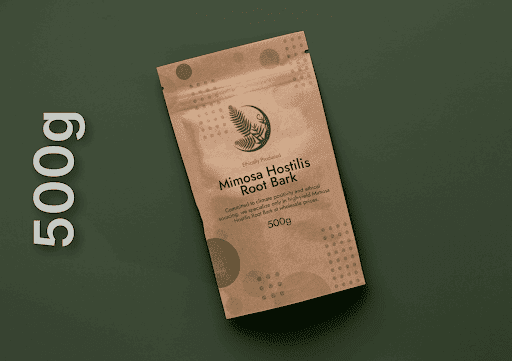
The growing interest in Buy 500g of MHRB in the USA has brought renewed attention to ethnobotanical products, sustainable harvesting, and the diverse uses of natural plant materials. While Mimosa hostilis root bark (commonly known as MHRB) has been used traditionally for centuries, modern consumers often seek it for natural dye projects, leatherworking, botanical studies, and cultural research.
This article provides a 100% unique, plagiarism-free, and in-depth overview of MHRB, its history, uses, legal landscape in the United States, quality-selection factors, and responsible buying practices. No links are included, and the content is fully optimized with clear headings and subheadings.
Understanding MHRB and Its Historical Importance
What Is Mimosa Hostilis Root Bark?
Mimosa hostilis root bark comes from the Mimosa tenuiflora tree, native to regions of Brazil and Mexico. The tree is known for its resilience, thriving in harsh climates and regenerating quickly after fires or droughts. Its root bark has been traditionally valued for:
- Natural dye production
- Traditional healing practices in some indigenous cultures
- Leather tanning
- Botanical and academic research
The bark contains deep purple-red pigments, making it especially prized among artisans and natural-dye enthusiasts.
A Brief History of MHRB Use
The cultural significance of MHRB stretches back centuries. In parts of Brazil and Mexico, the bark was used to prepare natural dyes for textiles. Its strong tannin content made it ideal for leather treatment and preservation. Traditional healers also utilized the plant for topical preparations due to its natural compounds believed to support skin regeneration.
Today, the interest in traditional plant materials has sparked new demand, especially among craftspeople, researchers, and ethnobotany students.
Is It Legal to Buy 500g of MHRB in the USA?
Before exploring how to Buy 500g of MHRB in the USA, it’s essential to understand the legal landscape.
The Legal Perspective
MHRB itself is not specifically scheduled at the federal level in the United States. However:
- Certain derived substances from the bark can be illegal if used improperly.
- The legality depends heavily on intended use and local state regulations.
- It is completely legal to purchase MHRB for dyeing, leather crafting, botanical education, ethnobotanical study, or cultural research.
Buyers should always ensure they are complying with all local, state, and federal laws, and vendors typically sell MHRB strictly for legal, non-consumptive purposes.
Why Do People Buy 500g of MHRB in the USA?
Buying 500g has become a popular amount for hobbyists and researchers—it’s large enough for sizable projects but manageable and cost-effective. Here’s what people typically use it for:
1. Natural Dye Projects
The deep reddish-purple pigment extracted from Mimosa hostilis root bark is valued for:
- Clothing dye
- Wool and silk coloration
- Artisan textile projects
It produces rich tones that are difficult to replicate with synthetic dye.
2. Leather Tanning
MHRB contains high levels of tannins, making it ideal for:
- Natural tanning
- Craft leatherwork
- Preservation in traditional methods
3. Botanical Research
Students and researchers in ethnobotany and plant sciences often purchase MHRB for:
- Plant compound analysis
- Academic research
- Cultural studies
4. Cultural Preservation
Some communities maintain traditional practices involving MHRB for:
- Ritual dyes
- Artistic expression
- Historical reenactment crafts
How to Choose High-Quality MHRB
Not all MHRB is equal. When planning to Buy 500g of MHRB in the USA, you should evaluate several factors:
1. Origin
Look for MHRB sourced from:
- Brazil
- Mexico
These regions are known for producing the highest-quality root bark.
2. Sustainability
Ethical harvesting is critical. Sustainable MHRB should come from:
- Trees that regenerate naturally
- Non-clear-cut harvesting practices
- Environmentally responsible suppliers
3. Purity and Processing
Quality indicators include:
- Shredded or powdered form
- No fillers or contaminants
- Fresh, aromatic bark
- Deep purple coloration in the inner bark
4. Packaging
Proper packaging preserves freshness. Look for:
- Airtight, opaque bags
- Moisture-resistant materials
- Clear labeling
Why 500g Is an Ideal Purchase Amount
For hobbyists, artisans, and researchers, 500g strikes a balance between value and practicality.
Benefits of Buying 500g
- Enough material for multiple dye batches
- Cost-effective compared to smaller quantities
- Suitable for larger research projects
- Easy to store and handle
- Allows experimentation with different techniques
Who Typically Buys This Amount?
- Natural dye artists
- Leather crafters
- Small businesses producing handmade goods
- Ethnobotany students
- Researchers conducting laboratory analysis
How to Store MHRB Properly
Once you purchase Mimosa hostilis root bark or a 500g batch, proper storage ensures longevity and quality.
Storage Tips
- Keep in an airtight container
- Store in a cool, dry place
- Avoid direct sunlight
- Use odor-proof bags if long-term storage is required
Correct storage can preserve MHRB for years without quality degradation.
Sustainable and Ethical Considerations
As demand grows, the importance of ethical sourcing becomes far more significant.
Look for Vendors Prioritizing:
- Fair trade practices
- Non-destructive harvesting
- Partnerships with local communities
- Environmentally conscious extraction
Supporting ethical sourcing helps preserve ecosystems and supports the communities who have historically cultivated and utilized this plant.
Safety Considerations
MHRB should only be used for legal and non-consumptive purposes such as dyeing, crafting, or botanical study. It is not intended for ingestion or any activity not explicitly legal. Always follow:
- Local and federal regulations
- Vendor disclaimers
- Safe handling protocols for natural plant materials
READ MORE: How Arthroplasty in Hatfield Helps With Chronic Joint Pain
Conclusion
The decision to Buy 500g of MHRB in the USA is becoming more common among artisans, researchers, and ethnobotanical enthusiasts. With its rich historical background, versatile uses, and strong cultural relevance, Mimosa hostilis root bark remains one of the most respected and valued natural materials.
Whether you are creating vibrant natural dyes, exploring botanical properties, or engaging in traditional craftsmanship, MHRB offers a depth of utility and heritage. By choosing high-quality, sustainably harvested bark and using it responsibly, you support both cultural preservation and environmental stewardship.