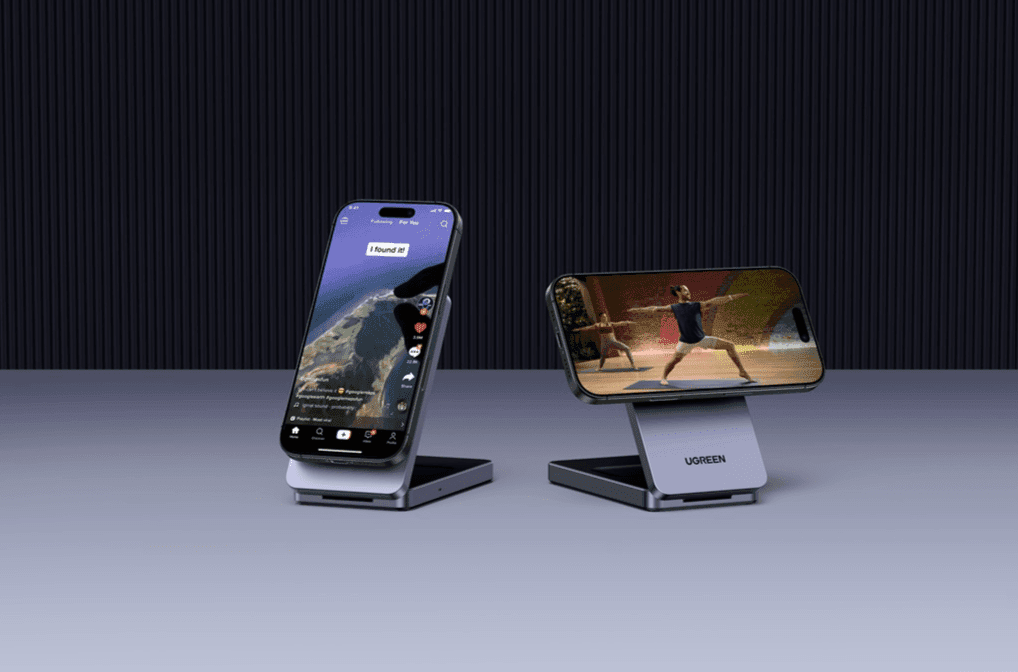
Wireless charging has become an essential convenience for smartphone users, and Apple’s MagSafe wireless charger has raised the standard for alignment, safety, and efficiency. Many users wonder whether it is safe to leave their phones charging overnight. The short answer is yes, but it’s important to understand how MagSafe works, the safety features built into modern devices, and best practices for overnight charging. Accessories such as a 20000 mAh power bank or a certified phone charger can complement your setup for maximum flexibility and safety.
Understanding How MagSafe Wireless Charging Works
Before leaving your device charging overnight, it is crucial to understand the mechanics behind MagSafe charging.
Coil-to-Coil Power Transfer
MagSafe uses electromagnetic induction to transfer energy from the charger coil to the phone coil. When a phone is placed on the charger, an alternating current in the charger coil generates a magnetic field, which induces current in the phone’s coil. The built-in magnets guide the phone into optimal alignment, ensuring efficient energy transfer and stable charging without the need for precise placement.
Charging Phases (0–80%, 80–100%)
Modern devices charge in phases. From 0–80%, the battery charges quickly, while the final 20% slows down to prevent overheating and overcharging. This trickle-charging phase is particularly important for overnight safety and for preserving long-term battery health.
Built-in Communication Between Charger and Phone
MagSafe chargers communicate with the phone to regulate voltage and current. This prevents excessive heat, overcharging, or other unsafe conditions. Using a certified phone charger or best USB-C charger can ensure stable power input when supplementing wireless charging or charging multiple devices simultaneously.
Safety Features That Protect Your Phone Overnight
Modern phones are designed to prevent battery damage even when plugged in for extended periods.
Thermal Management and Temperature Sensors
iPhones detect temperature changes and will slow or pause charging if the battery becomes too hot. MagSafe chargers minimize heat through magnetic alignment and efficient energy transfer, ensuring the device remains within safe temperature ranges.
Charge Limiting and Trickle Charging
After the battery reaches approximately 80%, charging slows down to avoid overcharging. Features like iOS optimized battery charging pause charging overnight and resume it just before the user wakes up, extending overall battery lifespan.
Software Protection Systems
Phones have software that actively manages charge cycles. This prevents excessive strain on the battery and ensures safe operation whether using a MagSafe charger or a 20000 mAh power bank for supplemental charging.
Risks of Leaving a MagSafe Charger Plugged in Overnight
While generally safe, certain risks should still be considered.
Heat Buildup and Battery Degradation
Although MagSafe reduces heat compared to older chargers, placing it under blankets or in warm environments can increase battery temperature and accelerate aging. Always place the charger on a flat, ventilated surface to minimize heat buildup.
Using Non-Certified Chargers or Cables
Cheap or counterfeit chargers can deliver inconsistent voltage, risking battery health. Pairing your MagSafe charger with a certified phone charger or best USB-C charger ensures stable input and protects your device.
Fire and Safety Concerns
While rare, damaged chargers or frayed cables can pose fire hazards. Keeping the charging area clear of flammable materials and regularly inspecting your equipment mitigates these risks.
Comparing MagSafe Wireless Charging to Wired Charging Overnight
Knowing the differences helps users choose the safest and most efficient method for overnight charging.
Charging Speed vs Battery Health
MagSafe wireless charging is slower than wired fast charging, which is actually beneficial for battery health. Slower overnight charging reduces thermal stress and prolongs battery lifespan.
Convenience and Safety
MagSafe’s magnetic alignment ensures the phone stays in place without cable wear or accidental unplugging, making overnight charging more convenient and safer than some wired setups.
Energy Efficiency
Wireless charging is slightly less energy-efficient than wired charging, but the difference is minimal for overnight use. For mobile users, a 20000 mAh power bank can provide portable, supplemental charging while maintaining efficiency.
Best Practices for Using a MagSafe Wireless Charger Overnight
Following best practices ensures safety and extends battery life.
Place the Charger on a Flat, Ventilated Surface
Avoid soft surfaces like beds or couches that trap heat. A flat surface with airflow reduces temperature buildup and improves charging efficiency.
Use Certified MagSafe Chargers and Power Sources
Using a certified phone charger or best USB-C charger ensures consistent power delivery and prevents issues caused by fluctuating or insufficient voltage.
Keep Battery Between 20–80% if Possible
Keeping the battery in the mid-range prevents overcharging and helps maintain long-term battery health. Enabling optimized charging in iOS can automate this process for overnight charging.
Consider Supplemental Charging Options
A 20000 mAh power bank can provide extra flexibility, allowing overnight or on-the-go charging without relying solely on wall power. This is especially useful when multiple devices need charging simultaneously.
Common Misconceptions About Overnight Wireless Charging
Dispelling myths helps users charge safely and confidently.
“Overnight Charging Will Destroy My Battery”
Modern phones and MagSafe chargers are designed to prevent overcharging. Leaving your device on a MagSafe charger overnight is generally safe.
“Wireless Charging is Unsafe Compared to Wired”
When using certified devices, wireless charging is controlled and safe. MagSafe’s magnetic alignment and heat management make it reliable.
“Any Charger Works the Same”
Only certified MagSafe chargers or high-quality adapters like a best USB-C charger provide stable power and efficiency. Using cheap or damaged chargers may pose risks.
Conclusion
Overnight charging with a MagSafe wireless charger is generally safe thanks to built-in thermal management, trickle charging, and intelligent software protections. To maximize safety and battery longevity, place the charger on a ventilated surface, use certified power sources such as a best USB-C charger or phone charger, and enable optimized charging features. For additional flexibility and on-the-go use, a 20000 mAh power bank can supplement charging, ensuring your devices remain powered safely and efficiently. Following these best practices allows you to enjoy the convenience of overnight wireless charging without compromising battery health or safety.
READ MORE: 2rsb9053 — Complete Specs, Uses, Installation & Buying Guide