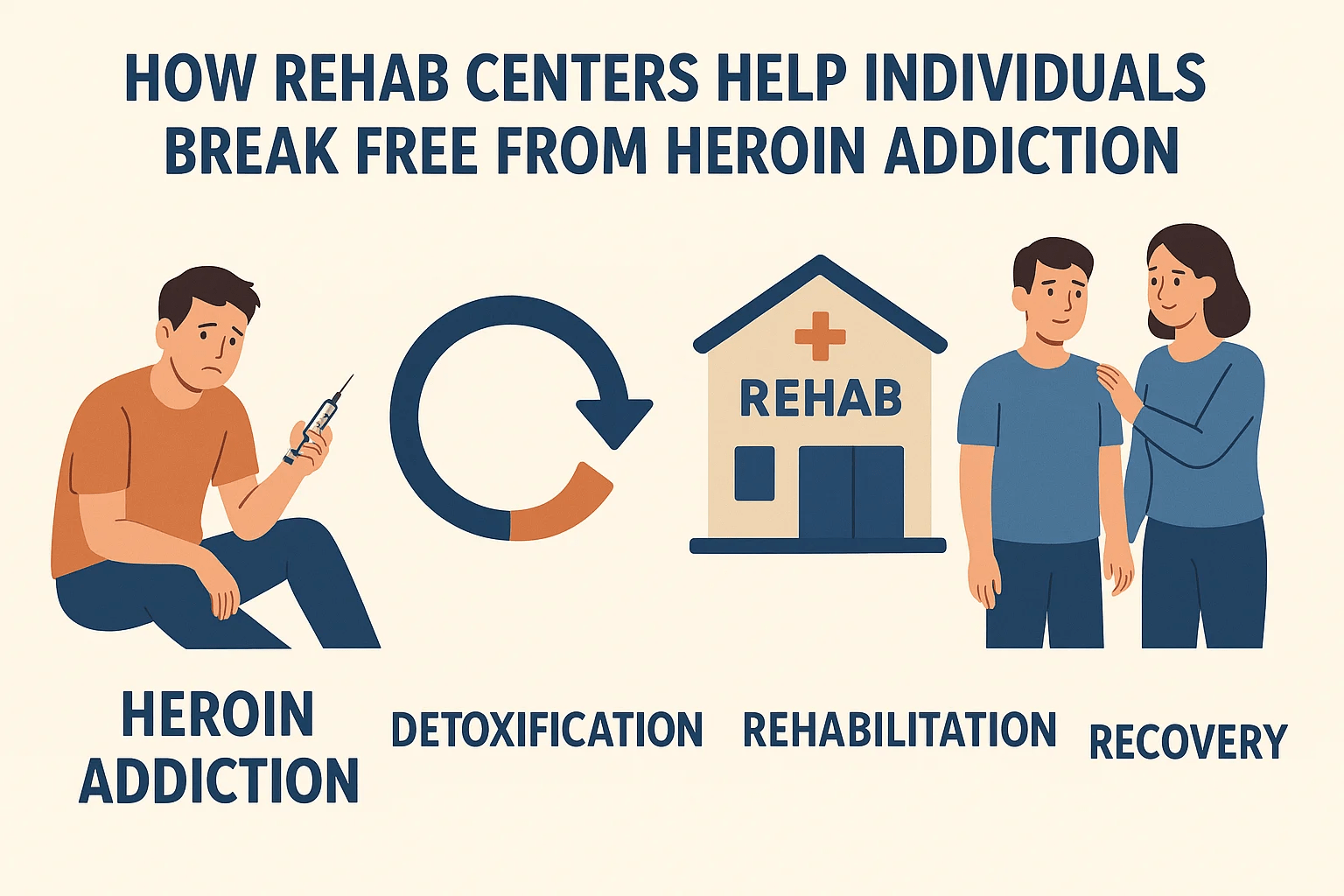
The decision to address a substance use disorder is one of the most courageous, life-altering turning points an individual or a family can experience. Addiction is a multi-layered, chronic disease that systematically rewires the brain’s reward systems, erodes physical health, and fractures interpersonal relationships. Overcoming its grip requires far more than mere willpower or a temporary change of scenery; it demands a dedicated, expert-led clinical environment designed to safely unpack both the physical dependency and the underlying psychological triggers. Choosing to enroll in a licensed, evidence-based drug rehab is the most vital step you can take to halt the cycle of addiction and build a durable foundation for long-term, sustainable sobriety.
The landscape of addiction medicine has evolved dramatically over the years. Modern rehabilitation centers reject the outdated, punitive models of the past, opting instead for compassionate, whole-person care that treats the individual with the dignity they deserve. When a person is insulated from the chaotic environments of active use and placed within a structured, nurturing sanctuary, their capacity for profound behavioral transformation increases exponentially. In this comprehensive guide, we will explore the essential pillars of modern drug rehabilitation—from medically managed stabilization to holistic healing and lifelong aftercare architectures—equipping you with the insight needed to make an informed, confident choice.
1. The Fluid Continuum of Care: From First Step to Lasting Independence
Recovery is a progressive journey rather than a single event. A premier treatment facility operates with a structured, multi-tiered continuum of care aligned with national medical standards, ensuring that patients receive the exact level of clinical support they need as their stability increases.
Medically Managed Detoxification and Physical Safety
The recovery process almost always begins with detoxification—the physical clearance of chemicals from the body. Attempting to manage withdrawal through sheer willpower at home (“cold turkey”) is a significant medical risk that frequently leads to immediate relapse due to intense cravings and painful side effects. For central nervous system depressants like alcohol and benzodiazepines, sudden cessation can even trigger severe autonomic rebounds, including grand mal seizures and critical cardiovascular instability.
In a professional residential detox unit, board-certified medical teams utilize Medication-Assisted Treatment (MAT) protocols. By administering FDA-approved medications, clinicians safely alleviate the physical pain of withdrawal, manage cravings, and monitor vital signs 24/7. This medical safety net ensures that the critical transition into early sobriety is safe, comfortable, and supportive.
Residential Inpatient Care: Cultivating a Safe Sanctuary
Once physical stabilization is complete, the patient transitions into the core residential rehabilitation phase. This level of care represents an immersive, trigger-free environment where individuals live on-site. By removing the immediate distractions, stressors, and everyday enablers of their daily life, patients can dedicate 100% of their mental and emotional bandwidth to intensive individual counseling, educational workshops, and group therapy.
2. Evidence-Based Psychotherapies: Rewiring the Brain’s Reward System
While medical detox addresses the physical aspect of dependency, the deep-seated psychological patterns and behavioral habits remain untouched. Breaking the cycle permanently requires rigorous, scientifically validated psychotherapies that target cognitive distortions and build emotional resilience.
Cognitive Behavioral Therapy (CBT) and Dialectical Behavior Therapy (DBT)
Modern behavioral health facilities rely heavily on these twin pillars of psychotherapy to help patients rewrite maladaptive thought patterns:
- CBT (Cognitive Behavioral Therapy): This modality operates on the reality that our thoughts dictate our emotions, which ultimately drive our actions. Clinicians use CBT to help patients map out their automatic negative thoughts and internal triggers. By identifying these distortions, patients learn to actively replace the urge to use substances with productive, reality-based coping mechanisms.
- DBT (Dialectical Behavior Therapy): Originally developed for emotional dysregulation, DBT is invaluable for individuals who use chemicals to numbs overwhelming feelings. It emphasizes mindfulness, distress tolerance, and emotional regulation, teaching the brain how to navigate an emotional crisis or a severe craving without acting on self-destructive impulses.
Dual Diagnosis Integration and Trauma Healing
A significant majority of individuals entering treatment are battling co-occurring mental health conditions—such as major depression, generalized anxiety, bipolar disorder, or Post-Traumatic Stress Disorder (PTSD). This intersection is clinically known as a Dual Diagnosis.
If a facility only addresses the drug use while ignoring an underlying mood or trauma disorder, a relapse is highly likely once the patient encounters real-world stress. Elite programs deploy integrated care, treating both conditions simultaneously. Furthermore, specialized trauma-informed modalities, such as EMDR (Eye Movement Desensitization and Reprocessing), help the brain safely process traumatic memories, stripping them of their power to trigger visceral, panic-induced cravings in the present.
3. The Power of Setting: Why Structure and Serenity Matter
The physical setting and day-to-day structure of a treatment facility are far more than aesthetic preferences; they serve as critical clinical tools designed to regulate a highly compromised, over-activated nervous system.
Demystifying Structure vs. Confinement
A common myth is that residential rehabilitation centers feel like institutional confinement. The reality is entirely different. Modern facilities replace the chaotic, unpredictable life of active addiction with a calm, balanced daily routine. Patients have a structured schedule filled with therapy, educational groups, and wellness activities, but they also have access to beautiful common areas, outdoor spaces, and dedicated personal time. This predictable framework reduces anxiety, regulates disrupted sleep cycles, and helps lower cortisol levels naturally.
The Insulation of Nature
Many premier facilities are purposefully located in tranquil settings—such as the quiet northern California countryside or serene coastal regions. Being surrounded by natural landscapes acts as a biological stabilizer. The peaceful environment insulates the patient from toxic social circles and the immediate noise of urban stressors, providing the mental clarity and stillness required for profound self-reflection and emotional healing.
4. Whole-Person Restoration: Merging Holistic Wellness with Clinical Care
True restoration requires a comprehensive approach that repairs the physical, biological, and emotional damage caused by years of active struggle. Comprehensive facilities expand beyond traditional talk therapy to actively rehabilitate the patient’s entire ecosystem.
Nutritional Psychiatry and Physical Vitality
Chronic substance use systematically ravages the human digestive and nervous systems, disrupting the gut microbiome where over 90% of the body’s natural serotonin is synthesized. Advanced treatment programs integrate nutritional counseling into their core curriculum. By providing nutrient-dense, anti-inflammatory meals, centers help repair the gut-brain axis. Supplying the body with essential vitamins and amino acids allows it to naturally resume the healthy production of mood-stabilizing neurotransmitters like dopamine and serotonin, radically reducing early recovery lethargy, depression, and mood swings.
Experiential and Somatic Healing Modalities
Trauma, chronic stress, and anxiety are frequently stored physically within the body’s muscular structures and nervous system, often manifesting as somatic panic or chronic tension. To release these deep-seated blockages, modern schedules incorporate experiential therapies alongside traditional psychotherapies:
- Somatic Movement and Yoga: These practices actively down-regulate an overactive sympathetic nervous system (“fight or flight”), lowering resting heart rates and training the body to find absolute safety in physical stillness.
- Creative and Alternative Art Therapies: Modalities like art, music, or horticulture therapy provide non-verbal pathways for patients to express complex, painful emotions. This allows individuals to bypass intellectual defenses and process deep-seated wounds that they may not yet have the verbal vocabulary to articulate in standard individual counseling.
5. Safeguarding Long-Term Sobriety: The Aftercare Architecture
The true metric of an exceptional treatment center is not how compliant a patient remains while sheltered inside a facility, but how dynamically they thrive once they return to the complexities of everyday life. A meticulous, proactive discharge strategy is the ultimate safeguard against relapse.
Constructing a Custom Relapse Prevention Roadmap
In the weeks leading up to discharge, a patient works intimately with their primary case manager to draft a personalized, step-by-step relapse prevention roadmap. This document identifies the patient’s highly specific environmental, professional, and domestic triggers. It outlines concrete, actionable plans—such as exactly who to call, which coping mechanisms to deploy, and which environments to avoid—when high-stress situations inevitably arise.
Step-Down Outpatient and Alumni Accountability
Finishing a residential program should never mean the end of your support system. High-quality networks prevent isolation—a primary trigger for relapse—by providing a seamless transition into step-down programs and peer communities:
- Intensive Outpatient Programs (IOP): This tier allows individuals to return to work or school while maintaining strict clinical accountability, random drug screening, and ongoing therapy blocks.
- Vibrant Alumni Networks: Staying plugged into a supportive peer network of recovery graduates provides a lifelong safety net of mutual accountability, mentorship, and empathy, ensuring that no individual has to walk the path of long-term sobriety alone.
Conclusion: Take the Foundational Step Toward Transformation
Living under the weight of active substance dependency or unmanaged mental illness can feel like being trapped in an endless, dark loop. However, it is vital to understand that addiction is a manageable, highly treatable medical reality. By investing in a comprehensive, accredited program that harmonizes medical safety, rigorous evidence-based psychotherapy, and holistic wellness, you are doing more than just stopping a harmful habit—you are fundamentally rebuilding your entire life from the ground up.
You deserve a treatment setting that honors your inherent dignity, respects your privacy, and provides the cutting-edge clinical tools necessary to secure your future. The shadows of addiction do not have to define the final chapter of your story.