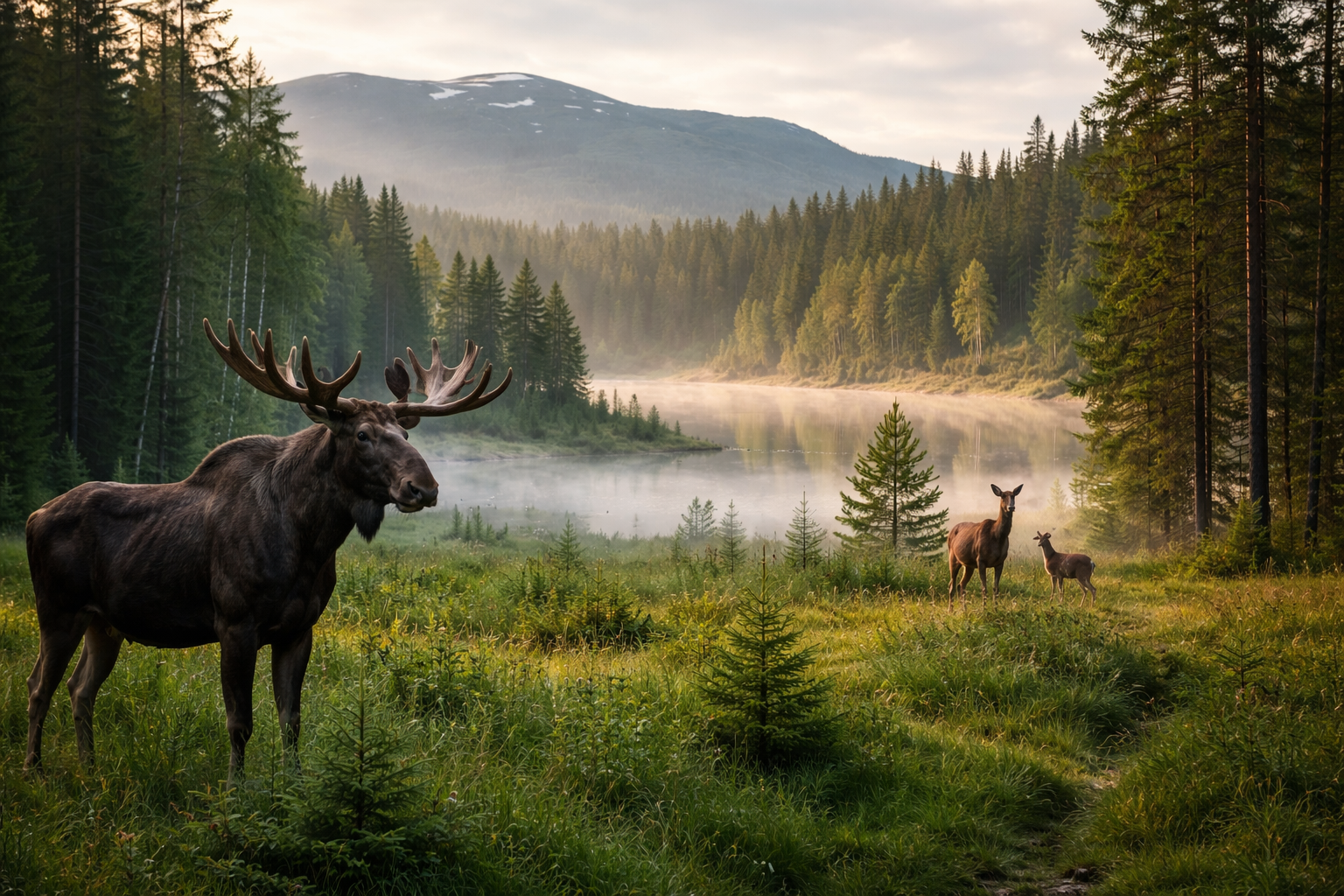
Imagine driving late at night on a quiet road. Suddenly, a deer appears. You hit the brakes, but it’s too late. The animal is injured, and you’re left standing there, unsure what to do next. Moments like this are stressful, confusing, and emotional. In Norway, situations like these are not rare. Wildlife lives close to human areas, and accidents happen more often than people expect.
This is where viltnemnda becomes important. It may sound like a complicated word, but its purpose is simple. It is part of a local system that helps manage wildlife issues in a responsible and organized way. From handling injured animals to supporting hunting rules and protecting the balance of nature, viltnemnda plays a quiet but essential role. In this guide, you’ll understand what it means, what it does, and why it matters more than most people realize.
What Is Viltnemnda?
At its core, viltnemnda refers to a local wildlife committee or authority within Norwegian municipalities. The word comes from the Norwegian language, where “vilt” means wildlife and “nemnda” refers to a board or committee. When combined, it simply means a group responsible for wildlife-related matters at the local level.
Think of it as a bridge between people and nature. Laws about wildlife exist at the national level, but real-life situations happen locally. When an issue arises, someone needs to step in, assess the situation, and take action. That is where viltnemnda fits in.
It is not just a name written in official documents. It represents a working system that deals with real problems involving animals, people, and the environment. Whether it’s about controlling wildlife populations, managing hunting activities, or responding to emergencies, viltnemnda is part of the local solution.
Why Viltnemnda Exists
Nature does not follow human rules. Animals move freely, cross roads, enter towns, and sometimes come into conflict with human life. Without a system in place, these situations could quickly become chaotic. That is why viltnemnda exists.
Its purpose is to create balance. It helps ensure that wildlife is managed in a way that protects both animals and people. For example, if a deer population grows too large, it can damage crops or increase road accidents. If it becomes too small, it can harm the ecosystem. A local body like viltnemnda helps maintain that balance.
Another reason for its existence is responsibility. When something happens, like an injured animal, someone needs to take charge. Instead of leaving people confused, viltnemnda provides a structured response. It ensures that situations are handled properly, safely, and ethically.
The Role of Viltnemnda in Wildlife Management
Wildlife management is about more than just keeping animals safe. It is about managing relationships between humans and nature. This includes safety, sustainability, and long-term environmental health. Viltnemnda plays a key role in making this system work at the local level.
One of its main responsibilities is monitoring wildlife conditions. This includes keeping track of animal populations and observing how they interact with their surroundings. Based on this information, decisions can be made about hunting limits, conservation efforts, and safety measures.
Another important role is coordination. Wildlife issues often require quick action. For example, if an animal is injured, a response team may need to locate it and prevent further suffering. Viltnemnda helps organize these efforts and ensures that trained people handle such situations.
In simple terms, it acts like a local manager for wildlife matters. It does not work alone, but it plays a central role in connecting different parts of the system.
Viltnemnda and Injured Animals
One of the most common situations where viltnemnda becomes important is when animals are injured. This can happen due to road accidents, natural causes, or human activity. When such cases occur, people often feel unsure about what to do.
This is where a clear system matters. Instead of acting randomly, there is a process in place. Viltnemnda is connected to that process. It helps ensure that injured animals are handled in a way that reduces suffering and follows proper guidelines.
Sometimes, the best outcome is recovery. Other times, it may involve ending the animal’s suffering in a humane way. These decisions are not easy, and they require experience and responsibility. That is why trained individuals are involved.
For everyday people, the key takeaway is simple. If you encounter an injured wild animal, it is important to report it rather than trying to handle it yourself. Systems like viltnemnda exist to make sure the situation is managed safely.
Viltnemnda and Road Accidents
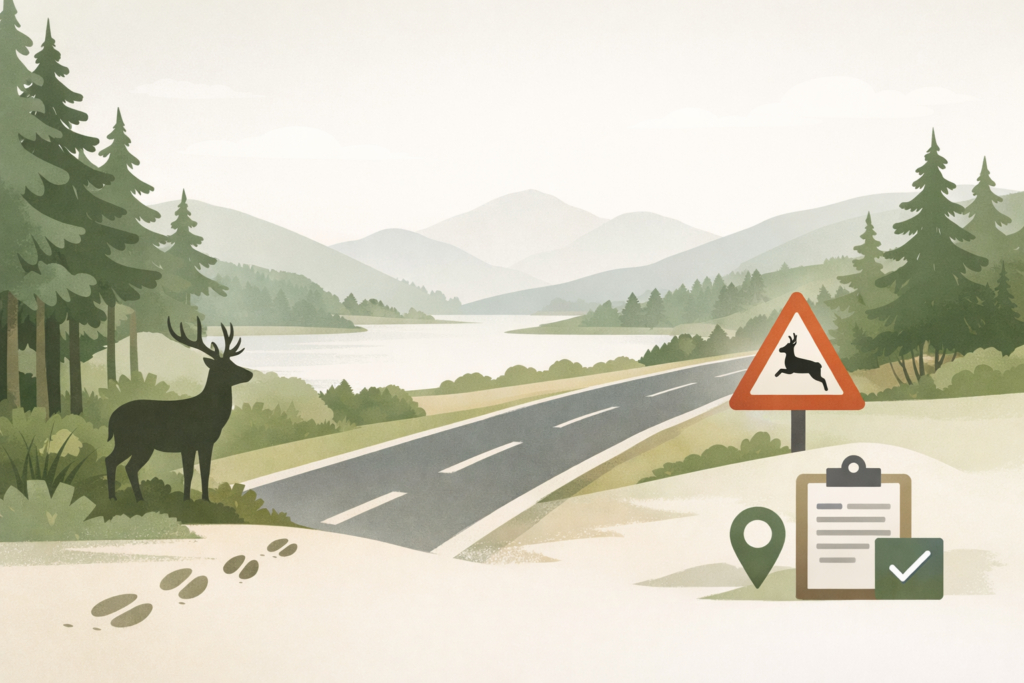
Road accidents involving wildlife are more common than many people think. In areas with forests and open land, animals often cross roads unexpectedly. Particularly at night, drivers might not have enough time to react.
After such an accident, people are often in shock. They may not know whether to leave, call someone, or help the animal. This confusion can make the situation worse. That is why having a clear structure is so important.
Viltnemnda is part of that structure. It connects the incident to the right response. This may involve registering the accident, locating the animal, and ensuring proper follow-up.
From a human perspective, it brings clarity. Instead of guessing what to do, there is a system that guides the next steps. From an animal perspective, it ensures that suffering is not ignored or prolonged. This makes viltnemnda an important part of road safety and wildlife care.
Viltnemnda and Hunting Regulations
Hunting is a regulated activity. There’s more to it than just catching animals. It involves rules, limits, and responsibilities. These rules exist to protect both wildlife populations and ethical practices. Viltnemnda plays a role in maintaining this balance.
At the local level, it can be involved in organizing hunting areas, setting guidelines, and ensuring that activities follow established rules. It also connects with tracking efforts when animals are wounded during hunting.
This is important because hunting must be done responsibly. If an animal is injured and not properly tracked, it can suffer unnecessarily. Systems linked to viltnemnda help prevent this by ensuring follow-up actions are taken.
In this way, viltnemnda supports a system where hunting is controlled, respectful, and aligned with environmental needs. It helps ensure that human activity does not harm nature beyond recovery.
Why Viltnemnda Matters to Everyone
It is easy to think that viltnemnda only matters to hunters or officials. However, in reality, many people are impacted. Anyone who drives, walks in nature, or lives near wildlife can encounter situations where this system becomes relevant.
For example, a family driving through a rural area may face a sudden wildlife encounter. A farmer may deal with animals affecting crops. A resident may find an injured animal near their home. In all these cases, there needs to be a clear response system.
Viltnemnda provides that structure. It ensures that people are not left alone in confusing situations. It also helps maintain trust in how wildlife issues are handled.
In simple terms, it turns uncertainty into guidance. It replaces panic with process. That is why understanding this term can be surprisingly useful in real life.
Is Viltnemnda the Same Everywhere?
Not exactly. While the general idea remains the same, the exact structure can vary depending on the municipality. Different areas may have slightly different ways of organizing responsibilities and handling cases.
This variation is natural because wildlife conditions are not the same everywhere. Some areas have more forests, others have more open land, and some may have different types of animals. Local systems need to adapt to these conditions.
However, the core purpose of viltnemnda remains consistent. It is always connected to local wildlife management and practical response. It always plays a role in bridging the gap between rules and real-life situations.
So while details may differ, the main function stays the same. It exists to manage wildlife issues at the local level in a structured and responsible way.
Common Misunderstandings About Viltnemnda
Many people misunderstand what viltnemnda actually does. One common belief is that it is only about hunting. While hunting is part of its role, it is not the whole picture. It also deals with accidents, injured animals, and local wildlife decisions.
Another misunderstanding is that it is a national emergency service. In reality, it is more closely tied to local administration. It works as part of a broader system rather than acting alone.
Some people also think it is only relevant to professionals. This is not true. Everyday situations can make it relevant to anyone.
Clearing up these misunderstandings helps people see the bigger picture. Viltnemnda is not just a technical term. It is part of how communities interact with wildlife in a safe and organized way.
What Should You Do in a Wildlife Situation?
If you find yourself in a wildlife-related situation, the most important thing is to stay calm. Do not rush into action without thinking. Safety should always come first.
Stay away from the animal if it has been hurt. Wild animals, especially those that have been harmed, can be unpredictable. Trying to help without proper knowledge can be dangerous for both you and the animal.
The next step is to report the situation through the appropriate local channels. This ensures that trained individuals can handle the case properly. Systems connected to viltnemnda are designed to manage these situations effectively.
The key idea is simple. Do not attempt to solve all problems on your own. Trust the system in place. It exists for a reason, and it helps ensure the best possible outcome.
Conclusion
At first, viltnemnda may seem like just another unfamiliar word. But once you understand it, the meaning becomes clear and practical. It is part of a system that helps manage the relationship between humans and wildlife in everyday life.
From handling injured animals to supporting hunting rules and responding to accidents, its role is both important and necessary. It brings order to situations that could otherwise become chaotic. It provides guidance when people feel unsure. And it ensures that wildlife is treated with responsibility and care.
In a world where nature and human life often intersect, systems like viltnemnda quietly make a big difference. Understanding it does not just improve knowledge. It prepares you for real situations where knowing what to do truly matters.
FAQs
1. What does viltnemnda mean?
It refers to a local wildlife committee or authority responsible for handling wildlife-related issues within a municipality.
2. Is viltnemnda only related to hunting?
No, it also deals with injured animals, road accidents, and general wildlife management.
3. If I hit a wild animal, what should I do?
Stay calm, ensure safety, and report the incident through proper local channels rather than handling it yourself.
4. Does viltnemnda exist in every area?
It is linked to local systems, but its structure may vary depending on the municipality.
5. Why is viltnemnda important?
It helps manage wildlife issues in a safe, organized, and responsible way for both humans and animals.
6. Can ordinary people interact with viltnemnda?
Yes, especially in situations involving wildlife incidents or when guidance is needed.
READ MORE: Discover Thelowdownunder Mark