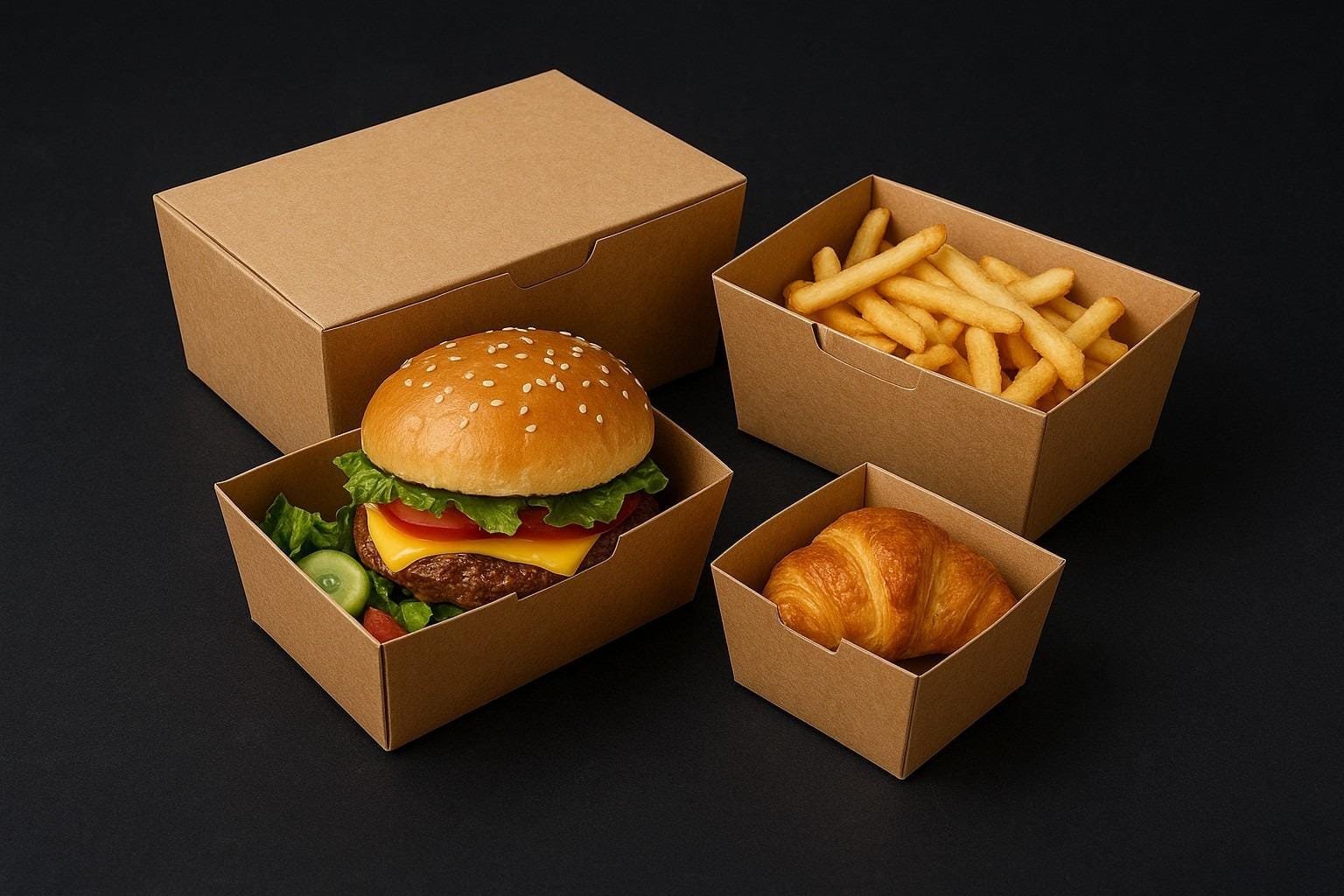
Food labels inform people about the contents of the food. They display ingredients and other specifications of the food items. There are also labels on how to use food. Distinct labels make people safe. They assist buyers in having confidence in the seller. Food label compliance ensures that all the regulations are observed. Food is attractive with good labels. They assist small sellers to sell securely. Customers are also able to choose food easily with the help of labels.
Things to Add to Food Label Compliance
Food labels need many things. They show what is inside. There should be labels containing ingredients and allergens. Dates must be clear. There should be labels of weight or volume. Food remains fresh due to storage directions. What is healthy is what is told by nutrition facts. The name of the company is a display of the manufacturer. Food label compliance ensures you do not miss anything. Good labels keep buyers safe. They also render the products appealing.
Product Name and Description
The product name must be easy to read. A short description tells what the food is. Names should not confuse buyers. Descriptions can show flavor or type. Using bulk food packaging supplies helps make labels attractive. Clear names help buyers choose food. Attractive writing builds trust. Good names help small sellers sell more. Names and descriptions are very important for all food.
Logo of the Brand and Company Details
A logo shows the brand. Company details show who made the food. Labels with logos look nice. Buyers trust them more. Using custom food packaging helps put logos and details attractively. Clear labels make products look clean. Logos help buyers remember the brand. Company details make it easy to contact the seller. Good labels build trust. Small sellers look professional with proper logos and details.
List of Ingredients and Dates
Dates must be clear. Dates tell if the food is fresh. Clear ingredients and dates keep buyers safe. Labels help avoid allergies or problems. Honest labels build trust. Customers feel safe. Ingredients and dates help buyers make good choices. Proper labels make people want to buy again.
Allergen Information
Common allergens are milk and other animal food items, like eggs. Highlight them so buyers notice. This keeps people safe. Even small amounts must be listed. Clear allergen information builds trust. Buyers feel safe. It also protects sellers. Allergens should be easy to read. Labels with allergen notes show care. Good allergen labeling helps small sellers look professional.
Net Weight or Volume
Labels must show weight or volume. Buyers need to know how much food is inside. Clear numbers help compare products. Accurate weight builds trust. Labels must be easy to read. Showing weight helps with price and shipping. Buyers know what they get. Small sellers look honest. Good weight labeling protects buyers and sellers. Clear weight information is important for all food.
Nutritional Facts and Instructions for Storage
They show calories and protein. Their instructions to store show how to keep food fresh. They help food last longer. Using shipping supplies for homemade food keeps labels attractive. Clear labels build trust. Buyers feel safe using the food. Proper labels stop waste. Easy-to-read labels protect customers and sellers. Good labels help buyers return again. Nutrition and storage info are important for all food.
Instructions for Use or Preparation
Labels should tell how to use or prepare food. Simple words are best. Instructions can include cooking or heating steps. Clear instructions keep food safe. Using custom hot dog boxes helps write instructions attractively. Buyers understand the food better. Clear instructions stop mistakes. They also protect sellers. Labels with instructions show care. They help small sellers look professional.
Certifications or Quality Marks
Labels can show certifications like organic, halal, or quality marks. These prove that food is safe. Marks make buyers trust the product. Labels can also show inspection approvals. Certifications help sellers sell safely. Quality marks make food look professional. Buyers feel confident. Proper labels with marks help customers pick safe food. Marks increase trust and sales for small sellers.
Conclusion
Food labels show important information. They show ingredients, dates, weight, and allergens. Labels tell how to use food. Using food label compliance makes sure all rules are followed. Clear labels keep people safe. Good labels make products look attractive. Small sellers can sell food safely. Labels help customers choose food.