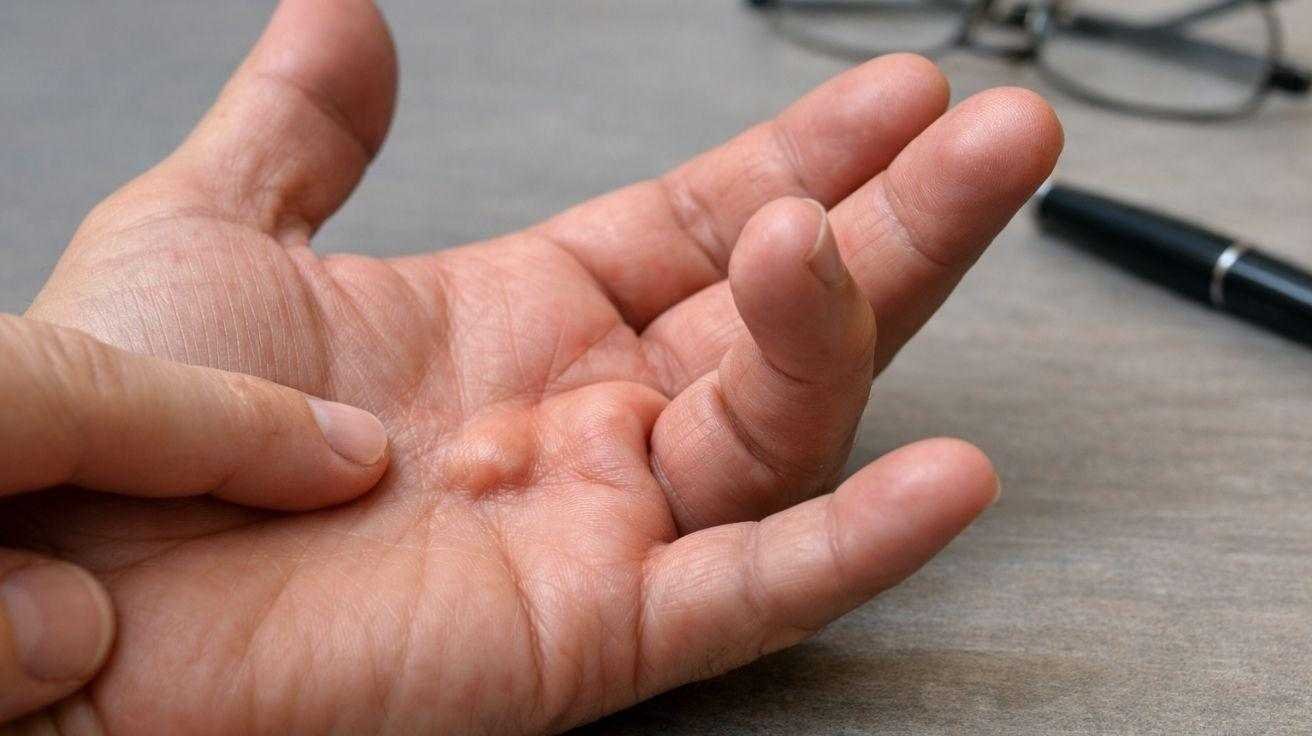
Hand health is something most of us rarely think about until something begins to feel different. A slight stiffness, a small lump in the palm, or difficulty straightening a finger may not seem serious at first, but these small signs can gradually affect how you use your hands in daily life.
What many people call loguytren problems is commonly linked to Dupuytren’s contracture. It develops slowly and often without pain, which makes it easy to ignore. Understanding it early can help you manage it better and reduce its long-term impact on your routine.
What Are Loguytren Problems?
Loguytren problems refer to a condition where the connective tissue beneath the skin of the palm thickens and tightens over time. This tissue forms cords that gradually pull the fingers inward, most often affecting the ring and little fingers.
In the early stage, it may feel like a small lump in your palm. As the condition progresses, finger movement becomes more restricted, and straightening them fully can become difficult, depending on how advanced the condition is.
Early Signs You Shouldn’t Ignore
The condition usually begins quietly, without pain or obvious warning. Many people first notice a firm lump in the palm or slight changes in the skin, such as dimpling or puckering, which may not seem concerning at first.
As it develops, you may feel tightness when opening your hand or notice that one finger doesn’t straighten properly. A simple check, like placing your hand flat on a table, can help identify whether the condition is progressing.
Why Does It Happen?
The exact cause of loguytren problems is not fully known, but genetics play a strong role. If someone in your family has experienced similar hand issues, your chances of developing the condition may be higher over time.
Age and gender also influence risk, with people over 40 and men being more commonly affected. Lifestyle factors like smoking, alcohol use, and certain health conditions may also contribute, though they are not direct causes.
How It Affects Your Daily Life
In the early stages, this condition may not interfere with your routine at all. However, as it progresses, everyday tasks like gripping objects, opening jars, or wearing gloves can become more difficult and uncomfortable.
For people who rely on their hands for work, the impact can be more noticeable. Beyond physical limitations, it can also feel frustrating to lose flexibility and independence in simple daily activities.
When Should You See a Doctor?
Because the condition develops slowly and often without pain, many people delay seeking medical advice. However, noticing early changes, such as finger bending or increasing tightness, is a good reason to consult a doctor.
A simple self-test is placing your hand flat on a table. If you are unable to do so, it may indicate progression. Early consultation helps you understand your condition and explore appropriate management options.
How It Is Diagnosed
Diagnosis is usually simple and based on a physical examination. A doctor will check your hand for nodules, cords, and the ability of your fingers to extend fully without restriction.
They may also ask about your symptoms and family history. In most cases, no imaging or special tests are required, as the condition can be identified through direct observation.
Understanding Treatment Options
Treatment depends on how much the condition affects your daily life and hand function. Not everyone requires immediate intervention, especially if symptoms are mild and not causing significant difficulty.
Doctors usually recommend treatment only when finger movement becomes limited. The goal is to improve function and comfort rather than completely eliminate the condition.
Non-Surgical Care
For mild cases, monitoring the condition over time is often the first step. Gentle hand movements and avoiding unnecessary strain can help maintain flexibility without immediate medical procedures.
Although exercises may support mobility, they do not reverse the condition. The focus is on maintaining comfort and keeping track of any changes in your hand.
Minimally Invasive Treatments
When movement becomes more limited, less invasive options may be considered. These include procedures that release the tight cords or injections that help soften the affected tissue.
These treatments are usually quick and involve shorter recovery times. They can improve finger movement and make everyday activities easier without major surgery.
Surgical Treatment
In advanced cases, surgery may be recommended to remove or release the thickened tissue. This is usually considered when finger bending significantly interferes with normal hand use.
Surgery can improve function, but recovery may take time and involve rehabilitation. It’s also important to understand that the condition may return even after treatment.
Living Comfortably with the Condition
Living with loguytren problems involves making small adjustments to your daily routine. Using tools with larger handles and avoiding excessive strain can make everyday tasks more manageable.
Keeping your hands active without overworking them is important. Simple changes in habits can help maintain comfort and allow you to continue daily activities with ease.
Can It Be Prevented?
There is no guaranteed way to prevent this condition, especially since genetics play a major role. However, maintaining overall health can help reduce certain contributing risk factors.
Avoiding smoking, limiting alcohol intake, and managing existing health conditions may support better hand health. Awareness remains one of the most effective ways to manage progression.
Benefits of Early Awareness
Recognizing the condition early allows you to monitor changes and respond appropriately. It also increases the chances of managing symptoms before they significantly affect your daily life.
Early awareness can lead to less invasive treatment options and better long-term outcomes. It helps you stay in control of your condition rather than reacting to it later.
Clearing Up Common Misunderstandings
Many people believe this condition is a form of arthritis, but it actually affects the connective tissue under the skin, not the joints themselves. This distinction is important for proper understanding.
Another common misconception is that surgery is always required. In reality, many cases are managed without surgery, and the condition is often painless in its early stages.
Frequently Asked Questions
Loguytren problems are not life-threatening, but they can affect hand function over time. The speed of progression varies, with some people experiencing slow changes and others noticing faster development.
Exercises may help maintain movement but cannot cure the condition. Even after treatment, there is a possibility of recurrence, depending on how the condition develops.
Final Thoughts
Living with loguytren problems may require adjustments, but it does not mean losing control over your daily life. With awareness and the right approach, you can manage the condition effectively.
Paying attention to early signs and seeking guidance when needed can make a meaningful difference. Taking care of your hands helps you stay active, independent, and confident over time.
FAQs
What are loguytren problems?
Loguytren problems involve thickened palm tissue that gradually pulls fingers inward, affecting movement and reducing hand flexibility over time.
Is loguytren problems painful?
In most cases, it is not painful, especially in early stages, but it can cause stiffness and limit normal hand movement as it progresses.
Can loguytren problems be cured?
There is no permanent cure, but treatments can improve finger movement and function, helping you manage symptoms effectively.
When should I see a doctor?
You should seek help if your fingers cannot fully straighten or your hand cannot lie flat, as this may indicate progression.
Can it return after treatment?
Yes, the condition can return over time, even after treatment, because the underlying tissue changes may continue developing.
READ MORE: Hollywood Smile Makeover in Hungary: Costs, Clinics & Complete Guide