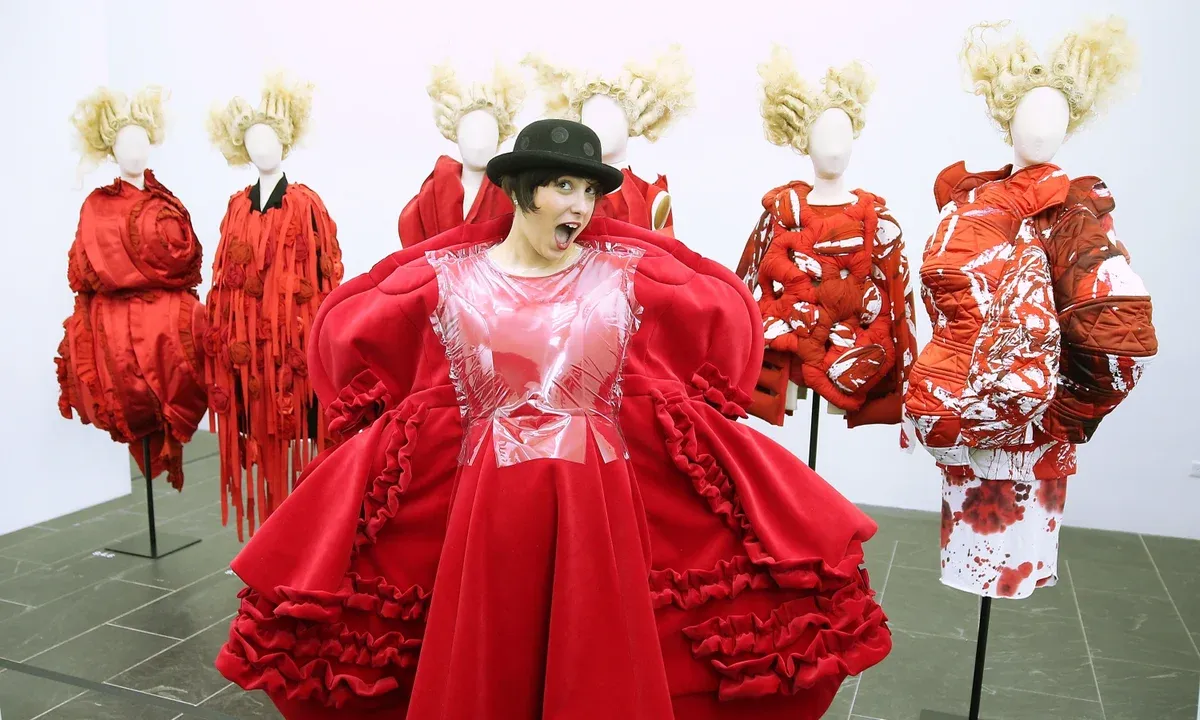
If you’ve spent any time scrolling through fashion TikTok, wandering the aisles of Dover Street Market, or even spotting those iconic heart-eyed sneakers on the street, then you’ve definitely encountered Comme des Garcons. But what exactly is Comme des Garçons check at commedesgarcon.fr/ ? Why does its name pop up across luxury runways and streetwear scenes alike? And how did a brand with such unconventional designs become one of the most influential forces in global fashion?
Let’s dive into the world of Comme des Garçons—where creativity rules, rules are meant to be broken, and normality is overrated.
A Brief Look at the Origins
The story of Comme des Garçons begins in 1969 with the visionary Japanese designer Rei Kawakubo. The name itself, which translates to “like the boys” in French, sets the tone for what the brand stands for—challenging conventional norms, bending gender boundaries, and embracing androgyny long before it was mainstream.
Kawakubo didn’t come from traditional fashion training. And maybe that’s exactly why her designs felt radically fresh. She approached clothing like an artist approaches a blank canvas: experimental, raw, emotional, and deeply thought-provoking.
By the early 1980s, Comme des Garçons had made its debut in Paris, shaking the fashion world with oversized silhouettes, distressed fabrics, unfinished hems, and a stark black-heavy palette. Critics weren’t sure what to make of it at first—but the world soon realized Kawakubo wasn’t just making clothes. She was redefining fashion itself.
The Comme des Garçons Philosophy: Imperfection as Beauty
Fashion usually celebrates symmetry, polish, and perfection. But Comme des Garçons? Not so much.
Rei Kawakubo introduced the concept of “anti-fashion”, embracing the beauty of the unconventional. Think asymmetry, deconstruction, lopsided cuts, missing sleeves, and silhouettes that almost feel sculptural. Instead of designing clothes to flatter the body, she reshaped the body through clothing.
You know how most designers obsess over making the wearer look slimmer, taller, curvier? Comme des Garçons ignores all of that. Instead, it asks deeper questions:
What is beauty? Why should clothes look a certain way? Who gets to decide what’s normal?
It’s like the brand sits across from you and gently nudges, “Hey… what if we try something completely different?”
Spotlight on the Play Line: The Heart That Took Over the Streets
One of the reasons the name Comme des Garçons feels so familiar—even to people who don’t follow high fashion—is the hugely popular Play line.
The Comme des Garçons Play line, created in collaboration with artist Filip Pagowski, features that adorable bug-eyed heart logo we all recognize. You’ll find it on their famous Chuck Taylor collaborations, t-shirts, sweaters, and more. It’s simple, stylish, and much more accessible (price-wise) than the brand’s main runway pieces.
Honestly, you’ve probably seen those Play Converse on your friends, in schools, on date nights, or even at the gym. They’ve become a modern streetwear staple—minimalist yet instantly recognizable.
Comme des Garçons in Pop Culture
From celebrities to influencers to street-style icons, Comme des Garçons has become a cultural symbol of individuality and artistic expression.
Big names like Rihanna, Kanye West, Pharrell, Billie Eilish, Lady Gaga, and more have all worn CDG pieces just like they wore ssentialshoodies.ca/. And of course, those Play Converse sneakers? You’ll see them everywhere from music videos to airport paparazzi photos.
Even the brand’s perfume line is iconic. Instead of traditional sweet or floral scents, they experiment with fragrances inspired by tar, incense, cedarwood, and even industrial themes. Basically, they do for perfume what they do for fashion—shake things up.
Dover Street Market: The Home of Comme des Garçons Creativity
If you ever want to experience the essence of CDG in real life, walk into a Dover Street Market location. Created by Rei Kawakubo and her partner Adrian Joffe, DSM is not just a store—it’s an art installation filled with curated fashion, bold displays, and rotating installations.
You’ll find CDG pieces alongside other avant-garde designers, luxury brands, and emerging talents. It’s like stepping inside a creative playground where fashion becomes an immersive experience.
Why People Love Comme des Garçons
So why does the brand continue to thrive after more than five decades?
1. It represents freedom.
People love CDG because it frees them from traditional style rules. You can be yourself—bold, quiet, mysterious, artistic—however you want.
2. It’s a conversation starter.
CDG pieces make people look twice. They invite questions, admiration, and curiosity.
3. It’s art, not just clothing.
Owning a CDG piece feels like owning a piece of modern fashion history.
4. It appeals to both luxury lovers and streetwear fans.
With multiple sub-labels like CDG Play, CDG Homme, CDG Shirt, and the main collection, the brand offers something for everyone.
Conclusion: More Than a Brand—A Movement
Comme des Garçons isn’t just a fashion label—it’s a revolution in fabric form. From its rebellious roots in Japan to its global cultural impact, CDG has shown the world that beauty doesn’t need to be symmetrical, clothes don’t need to follow rules, and creativity should never be boxed in.
Whether you’re drawn to the avant-garde runway collections or the cute, heart-logo Play pieces, one thing is certain: Comme des Garçons is here to challenge, inspire, and redefine fashion for generations to come.
About the Author