Spending time outdoors is exciting and fun. Hiking, camping, and climbing let people enjoy nature and stay active. But accidents and medical emergencies can happen far from help. Knowing how to respond quickly can save lives.
CPR training gives outdoor enthusiasts the skills to act in critical moments. With the right knowledge, they can help someone in danger until professional help arrives. Read on to discover why CPR training is essential for anyone who loves outdoor adventures.
Emergencies Can Happen Anywhere
Many people believe serious medical emergencies happen only in cities or crowded places. In reality, they can occur anywhere. Hiking trails, campsites, lakes, and mountains are no exception.
A person may experience cardiac arrest while hiking or climbing. Someone may also have a severe allergic reaction to an insect sting. Heat stroke, dehydration, or accidents can also cause a person to lose consciousness.
When these events happen outdoors, immediate action is important. CPR can keep oxygen flowing to the brain until emergency responders arrive. Without it, the chances of survival drop quickly.
Help May Be Far Away
In many outdoor locations, emergency services are not close by. Mountain trails, forests, and national parks may be far from hospitals. Mobile phone signals may also be weak or unavailable.
Because of these challenges, people on the scene often become the first responders. Friends, family members, or fellow hikers may be the only people able to provide help right away.
Knowing how to perform CPR gives outdoor enthusiasts the ability to act during a crisis. Instead of feeling helpless, they can provide immediate care that may save a life.
CPR Training Builds Confidence
Learning CPR does more than teach a technique. It also builds confidence. Many people freeze during emergencies because they are unsure what to do. Training prepares individuals to stay calm and take action.
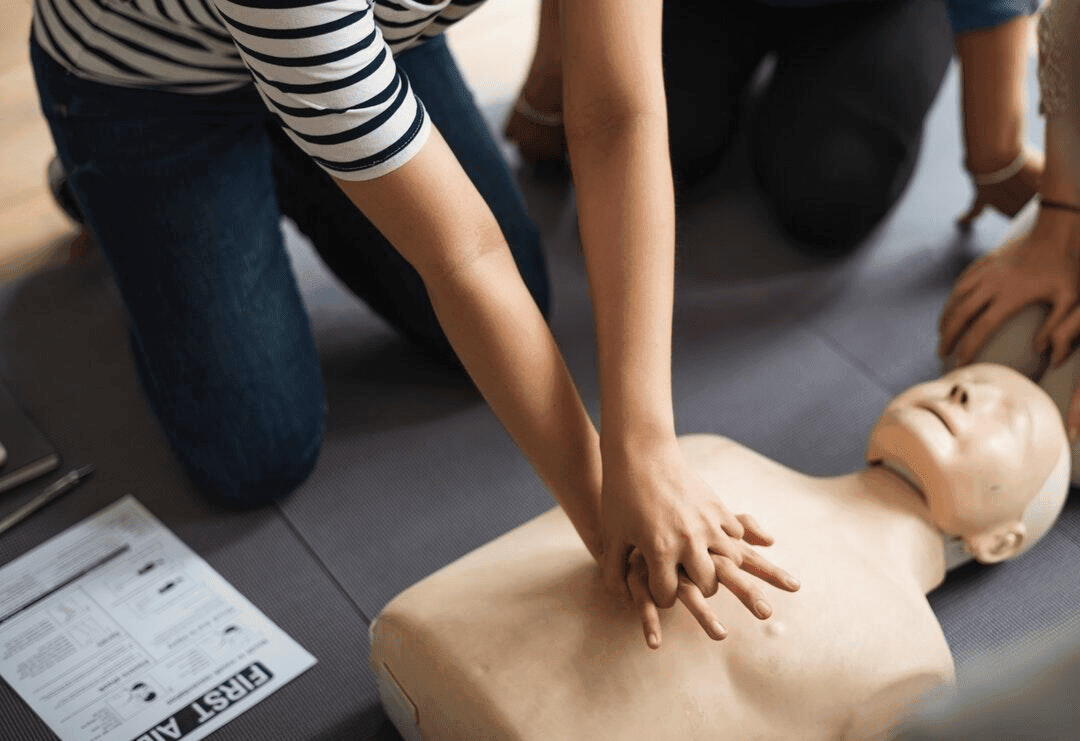
Courses usually include hands-on practice with mannequins and real-life scenarios. Participants learn how to check for breathing, call for help, and perform chest compressions correctly.
Many programs also teach skills such as CPR/AED and First Aid, which help people respond to several types of emergencies. These skills can be useful not only outdoors but also at home, work, or in public places.
Outdoor Groups Benefit From Trained Members
Outdoor activities often involve groups. Hiking clubs, camping teams, and adventure groups regularly explore nature together. When several members have CPR training, the entire group becomes safer.
If an emergency occurs, trained members can quickly step in and help. They can work together to assist the injured person while someone else calls for help. This teamwork can improve the chances of survival.
Many outdoor organizations encourage or require members to learn basic emergency skills. Training helps create a safer environment for everyone involved.
Preparedness Makes Adventures Safer
Preparation is an important part of any outdoor trip. People often pack food, water, maps, and safety gear before heading out. Learning CPR should also be part of that preparation.
Life-saving knowledge does not take much space, but it can have a huge impact. When emergencies happen in remote places, trained individuals can provide the care that someone urgently needs.
Learn All About CPR Training
CPR training is more than a skill. It is a lifeline for outdoor enthusiasts. Accidents and medical emergencies can happen anywhere, and help may be far away. By learning CPR, individuals gain the ability to act quickly and save lives.
Whether hiking, camping, or exploring, being prepared with this knowledge ensures safer adventures for everyone.
Visit our blog for more!